

Dear Readers,
I guess the hot and sweaty season depends on where you live. Today, I’m speaking to my friends in the Northern Hemisphere, where Pitta Season (late spring and summer) is in full swing. If you’re living in the Southern Hemisphere, then lucky you - you’re in Vata Season!
If you’ve been around here for a while, you’ll recognize this subject. I post about the Ayurvedic seasons each year as a reminder for all of us and to share with those who are new to The Quaking Poplar. Most of the information in this article comes from previous posts, as it remains unchanged year to year. I’m a little tardy this year (I think I was last year, too…), but as I’m standing here, hot and sweaty, I thought that I'd better get it out to you. It’s a really long one…
In New Hampshire, where I live, we had a blessedly cool and rainy June, but for a few hot days. Now, we’re fully into Pitta Season and experiencing our first heat wave of the summer.
If you are relatively new to The Quaking Poplar and thinking, “What’s Ayurveda?” then here’s a good place to start.
I love Ayurveda because it empowers us to take control of our health rather than always relying on a practitioner. It focuses on our unique constitutions—our true nature, encompassing body, mind, and spirit—and learning how to pay attention to what is out of balance. When this becomes a regular, daily, and seasonal practice, I guarantee that your health—and, therefore, your life—will improve.
Ayurveda is a very proactive system of health and healing.
So, let’s talk Pitta (not the bread, the dosha!)
The elements associated with Pitta are fire and water. It is the energy of transformation and the metabolic force in our body that rules digestion. It directs the transformation of food into nutrients that our body can utilize.
Pitta also rules our intelligence, our eyes, body temperature, and skin coloration.
It is seated in the stomach and small intestines.
The qualities of Pitta are hot, sour, sharp, moist, pungent, slightly oily, light, and fluid.
In Ayurveda, like increases like, so when choosing foods to balance Pitta, opt for sweet, bitter, and astringent foods, such as fresh sweet fruits, vegetables, grains, salads, beans, and legumes.
That said, follow your gut (pun intended) about which foods are best for your body. Just be mindful of foods that might cause digestive distress, mood swings, or other signs of imbalance.
Ayurveda is all about balance.
Because Pitta dosha governs our digestion, individuals with a strong Pitta constitution typically have the strongest digestive fire. Remember, the element of fire is prominent in this dosha.
But, oddly enough, our digestive fire is weakest in the summer. You might even find that you’re gaining a little weight and/or experiencing digestive issues. Our bodies are busy keeping us cool and hydrated, and that takes energy away from our digestive system. There’s a reason we crave watery fruits and vegetables in the summer. They’re much easier to digest than heavy meals (think barbeques!) Once again, Mother Nature is wise, so follow her lead and head to your local farmer’s market for fresh seasonal produce. Our bodies love seasonal foods.
This doesn’t mean that we can’t enjoy some heavier foods, just try to eat them roughly between 11:30 a.m. and 2:00 p.m, when our digestive fire is strongest. And eat a light dinner or skip it if you’re not hungry. Eating when we’re not hungry is frowned upon by our bodies.
Some characteristics of Pitta-types:
Highly organized and self-confident
Sharp-witted
Good public speakers, leaders, politicians, teachers, and writers
Intelligent
Warm, friendly
Independent, courageous
Passionate
Strong athletic, medium build
Doesn’t like the heat (makes a Pitta tired)
Sensitive skin is usually pale and often has freckles and moles. Prone to skin eruptions and rashes–i.e., acne, eczema, psoriasis
Excessive sweating (often pungent)
Excessive hunger or thirst
Strong digestion, but needs regular meals (Pittas get crabby if they skip a meal!)
Hair is smooth and shiny, often blond or red. Later in life, hair is often prematurely gray or balding.
And on the downside, characteristics of an out-of-balance Pitta-type:
Sarcastic
Stubborn, hot-headed
Hot flashes
High acidity
Loose stools (the body is attempting to release heat)
Prone to headaches, fever, acid reflux, heartburn, colitis
Can be spiteful, jealous, and angry, especially when stressed
Domineering, vain, ambitious
You may find that some or all of these characteristics apply to you. Maybe frequently, or maybe mainly just during the summer months.
The more frequently they do apply, both the positive and the not-so-positive, can mean that there’s a fair amount of Pitta dosha in our constitution.
We can also experience an imbalance in any of the doshas at any point in our lives. We may have a predominantly Vata or Kapha constitution and experience some of the above symptoms, especially during Pitta Season.
The important thing to remember is to stay tuned into our body.
Adulthood, from around eighteen until (roughly) fifty, is the Pitta time of life. It is a time for higher learning, growing families, and careers. Productivity.
Vata-Pitta and Pitta-Vata types often have more trouble adjusting to seasonal fluctuations than other constitutions. Essentially, if we’re feeling hot, tired, stressed, or experiencing any of the other symptoms mentioned above, focus on pacifying Pitta. If we’re feeling cold, anxious, and fearful, we should pacify Vata.
That being said, Vata is the queen of the doshas, and because of its quality of movement, it pushes (and thereby unbalances) the other doshas. Therefore, maintaining Vata balance is a good rule of thumb for everyone.
We may be someone who rarely feels hot physically, but we have a hot personality! There are varying degrees of each of the doshas in all of us.
One of the questions I like to ask is, “Did you run hot or cold as a child?” That simple question can help us determine our innate constitution, which we were born with and that remains unchanged.
Our health fluctuates due to various factors, including age, environment, and many of life’s challenges. And so, while it’s important to determine our unique constitution (prakruti), it’s also crucial to identify our present-day health (vikruti) and any imbalances.
Again, pay attention to your own body and mind’s signals.
Remember, the elements at play here are fire and water—two very different elements.
Too much water can put out the fire/our digestion (don’t drink liquids right before, with, or right after meals, especially cold ones!)
Too much fire can dry up the water, leading to excessive sweating, dehydration, heat exhaustion, or heat stroke.
When I see people biking in hot, humid weather during midday, I cringe. Wearing a helmet may be necessary for safety, but the head is one of the first areas of the body to cool down.
Ever heard the term “hot-headed”? It’s one description of someone with out-of-balance Pitta.
Overheating the body is not something to be taken lightly.
Just as I cringe when I see people biking midday in hot, humid weather, I also cringe when I see people cold-plunging when their bodies are in distress. Just because someone on social media with millions of followers extolls the benefits of cold plunging, it doesn’t mean it’s healthy for everyone. It can even be deadly. Be smart.
I’m not saying that there aren’t benefits to it, because there certainly are. However, our bodies have a delicate balance, and we must be mindful of it. I found a podcast discussing cold plunging from an Ayurvedic perspective, and the presenter does a great job. Have a listen, if you’re interested.
It’s all about awareness and balance.
Here are some tips for remaining balanced and healthy during the Pitta season:
THINK COOL and reduce anything that heats the body: saunas, steam rooms, hot showers, and hot spicy foods. Stay out of the hot midday sun. Pittas already have an abundance of heat in their bodies and can damage their organs if they generate too much heat.
Avoid drinking a lot of ice-cold beverages, especially with meals. I know this sounds contrary to what I just wrote about staying cool, but drinking ice-cold liquids is a shock to the system and puts out our digestive fire, resulting in poor assimilation and digestion.
Avoid excesses of foods that are salty, spicy, sour, hot, or pungent.
Avoid coffee - it is especially unbalancing for Pittas due to its acidity. I hear all of you Pitta-types groaning or scowling at me. Probably laughing, too. I never had a Pitta client who didn’t ruffle at this suggestion. Just consider it - or at least drink it a bit after your meal, not on an empty stomach.
Cool your skin with unrefined coconut oil (I massage it in daily before my shower during the summer - it really helps to protect and cool the skin. By applying it before showering (wait several minutes for some of it to absorb), the warm water will help it penetrate the skin. End your shower with some cool water. I love this combination of Brahmi/coconut oil during the hot summer months. On extremely hot and humid days, however, I often avoid putting oil on my skin so it can breathe more easily.
Don’t skip meals or let yourself get dehydrated. This is especially important for Pitta-types. Dinner, however, is best if light and early. No matter the season or your constitution, our body’s digestive capabilities are weak in the evening as it begins to prepare for sleep and healing. My teacher used to say that the Ayurveda chef goes home at 5:00 p.m. I know that’s a stretch for probably most of you, but I’m just the messenger. More on this below.
Drink coconut water. It’s great for hydration and for neutralizing acid, which can help alleviate heartburn and acid reflux.
Take walks or bike rides in the cool morning or evening. Moonlight is especially healing for Pitta-types.
Take time each day for slow, deep breathing and meditation. Nadi Shodhana Pranayama, also known as Alternate Nostril Breathing, is an excellent, easy breathing technique. A variation on it that is helpful during Pitta Season, if you’re seriously overheated, is to block only the right nostril (which is more warming) and breathe gently in and out through the left nostril only, which is more cooling.
Take lukewarm or cool showers or baths, and run cool water over your head and the back of your neck before getting out. This helps to reduce excess Pitta. The first thing I do every morning before brushing my teeth year-round is to splash cool water on my face and the back of my neck. Simple but effective.
When it comes to exercise, especially during Pitta season, take it easy! Don’t over-exert yourself, especially by running in the hot afternoon sun.
Keep a spray bottle with rose or lavender water in your refrigerator and spritz yourself when you get overheated. The rose water is also excellent for dry, sore eyes. Just be sure it’s of good quality, made with real rose petals and not essential oils.
10:00 a.m. - 2:00 p.m. and 10:00 p.m. - 2:00 a.m. are Pitta times of the day.
Our bodies run on a circadian rhythm. At this time, our metabolism kicks into high gear. This is why Ayurveda recommends eating our main meal between 12:00 noon and 2:00 p.m. Our body will be able to digest this meal best. As for the 10:00 p.m. - 2:00 a.m. time, these are the hours the body goes to work repairing and burning stored fat. It wants to be sleeping during this time and not digesting a heavy late dinner, snack, or movie. Because metabolism is active during these hours, it’s the reason we get our second wind around 10:00 p.m. (Pitta-types love to burn the midnight oil). Getting to bed before 10:00 p.m. will not only help us fall asleep more easily but also help us sleep more soundly and enable our bodies to repair themselves more efficiently. Pitta folks are often so driven that they neglect to make good sleep a priority. Our body will only forgive us for so long if we rob it of sleep during these precious healing hours. Turning off our screens at least an hour before bed and getting ample sunlight outside during the day (especially in the early morning) helps our bodies naturally know it’s time to sleep.

In last year’s Pitta Season article, I wrote about ditching sunscreen and sunglasses and how it led to no more sunburns and better sleep. Click here if you would like to revisit how that happened. Scroll to the bottom of the post so you don’t have to read all of the information I have already included here.
You’ll notice that I didn’t include “stay inside where it’s air-conditioned” under ways to keep cool during this season. I’m going to share one more article with you, and I want you to keep an open mind. It’s about the negative health effects of air conditioning.
Personally, I have never liked air conditioning; it has always seemed unnatural to me. That being said, my constitution is predominantly cold and dry. You might be rolling your eyes at me over this one. I get it, I really do. And you don’t have to agree with anything that I share here. We’re all adults. Also, there’s a happy medium. And sometimes we don’t have a choice (a frigid workplace or grocery store). Also, we all lead different lives and have different constitutions. Those of you who run hot might find this ridiculous. But, please, just humor me and read it. It’s a short one, and I’d love your feedback.
“How Air Conditioning Increases Weight Gain & Stress” by John Immel of Joyful Belly Ayurveda
I have actually used myself as a guinea pig during this heat spell. Even though I don’t like cold air blowing on me, I also don’t like being hot and sweaty. It takes a lot for me to sweat. The thing is, a bit of sweating is good for us.
I have a small room air conditioner that I only used three times last summer. This year, I decided not to put it in. Even though I’m surrounded by woods, there are no shade trees near the house. I have 25 windows and three doors in this wee house that sits atop a hill. The bare windows are a joy during the cold months. This summer I finally got some sheer curtains - just enough to block some of the hot sun but still letting in the breeze (if there is one!) I have a couple of fans to move the air around, and believe it or not, I have been sleeping like a baby upstairs, where it can get pretty stifling.
I have taken it easy - staying inside during the hottest hours of the day. And I have to say, I do indeed feel my body regulating to the heat and humidity.
Granted, I am not working outside or inside a job environment, caring for young children, etc. This is my experience, and many of you might not have the luxury of controlling the temperature at home or at work.
I have always been that person who has an open mind about things - especially when it comes to health matters. And I’m never afraid to change my mind. I just wanted to share this experience with you.
Can we agree, though, on how ridiculous weather apps have become? All of a sudden, hot weather means Extreme Heat Warning!! ⚠️🔥 It’s summer. It gets hot, humid, and stormy. I feel like the fear meter is working full-time.
As I wrap this up, I always like to mention that if all this information seems daunting or restrictive, simply focus on a couple of tips you think might be helpful.
As much as I love Ayurveda, and it has helped me heal and stay balanced in so many ways, I’m just not into too many rules when it comes to living my life. There are some things, like going to bed early, that I rarely compromise on, and it has been life-changing for me. My body thanks me for that. Ditto, eating my biggest meal around noon.
However, I’m not perfect, and there are many times when I don’t follow my own recommendations, being the perfectly imperfect human that I am.
Summer is the time to chill and not take on overly taxing projects, if that’s possible. Get adequate R&R during Pitta Season.
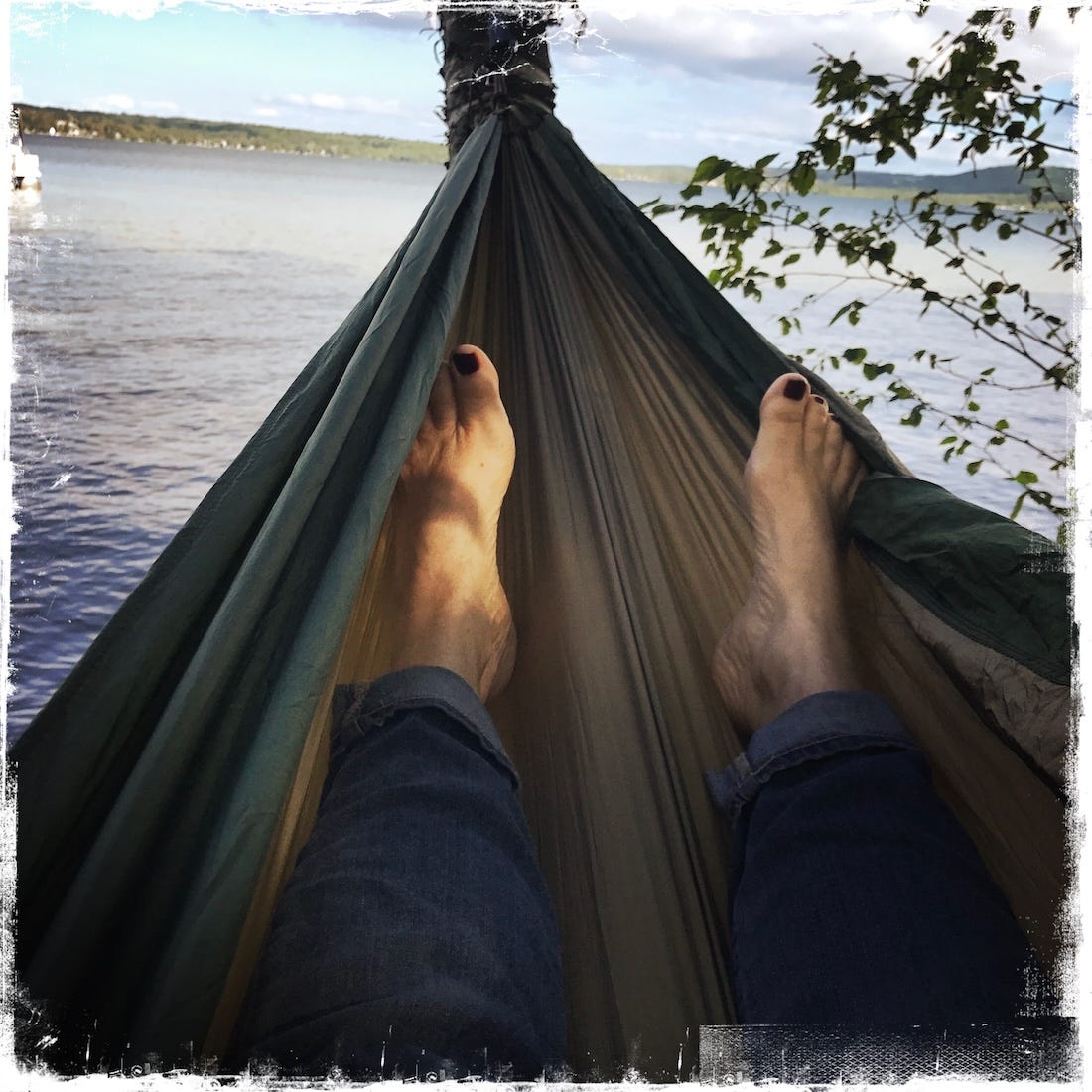
Find a hammock in the shade, read something you enjoy (not something you have to read), swim in a lake or the ocean, or do whatever you love that is calming and cooling.
I’m trying my best to stay in a place of gratitude rather than whining nonstop about heat and bugs.
I’m grateful for:
The Fireflies (Faeries), dancing and lighting up the night sky. 🧚🧚🧚
The Dragonfly army, which has arrived to eat the flying buggers!
The scent of Milkweed.
Any breeze at all.
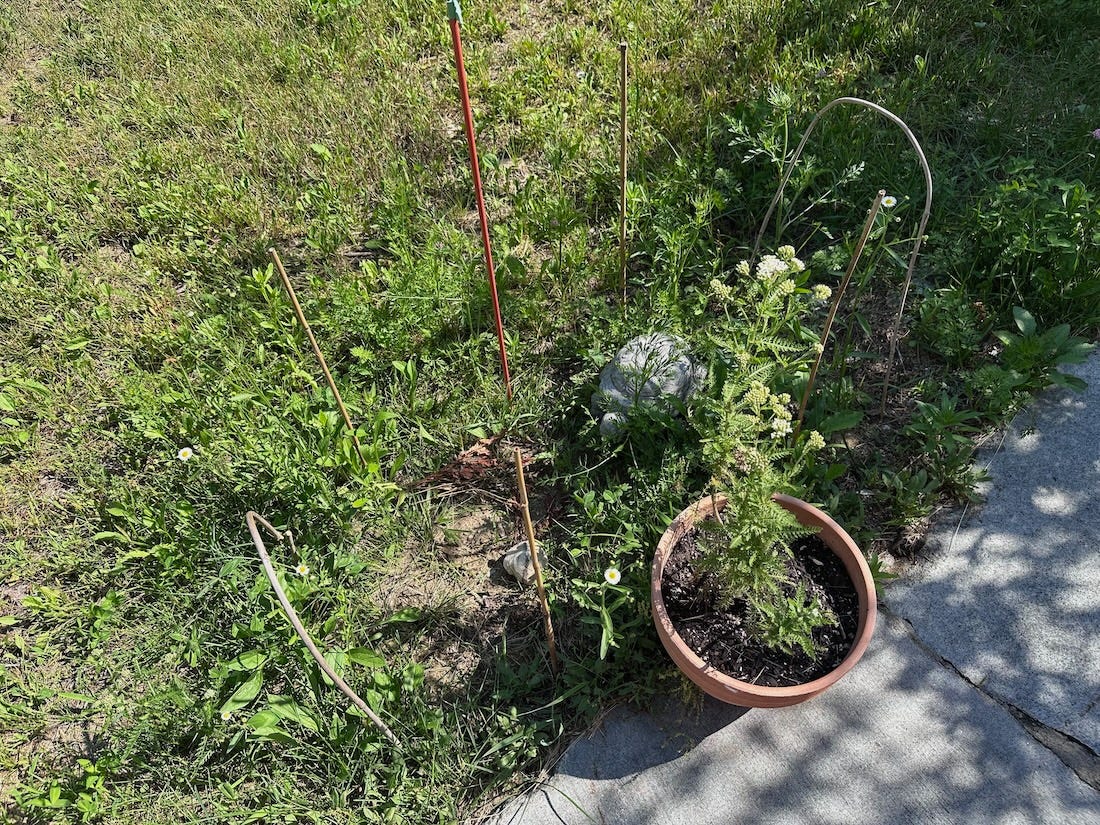
The privilege of guarding a Turtle nest. 🐢🐢🐢
Being barefoot and not needing heavy clothing.
Queen Yarrow growing everywhere! She’s helping me guard the Turtle nest!
Living near lakes, ponds, and streams. 💦
And so much more.
What’s on your summer gratitude list?
Here’s a Dosha Quiz if you’d like some help figuring out your constitution.
Or shoot me an email if you’d like a private session, and we’ll suss it out together. My web page is still a work in progress, so just email me at barbarasinclair11@protonmail.com, and we’ll set it up old-school. :)
If this topic has sparked something in you, Banyan Botanicals has a plethora of wonderful articles about Pitta Season on their blog. I used to write for them back in the day, and they’re one of my favorite online Ayurveda resources.
Here’s to cool breezes and lovers of lakes,
Barbara 💦 💙
Or, if subscriptions aren't for you but my writing has inspired or informed you in a significant way, here’s a link to make a one-time gift. 🙏
Oh my gosh!!!! Yes. The weather apps🤣 ridiculous!!!!!!!! I love you, Lady!! 🐢🧚♀️🧚♂️💚🩷🩷🩷🩷🩷
Lovely, Barbara. You are amazing with all you know. Thanks for sharing it with us. xox